
The Commute Reality: Living in Herndon and Working in DC
Nobody moves to Herndon without thinking about the commute. It's usually one of the first questions I get from buyers—how bad is it really? I've lived here since 2001, and I've watched this conversation evolve dramatically, especially over the last few years. The honest answer is more nuanced than the horror stories you've heard, and for a lot of people, it's actually a workable situation.
Let me walk you through what the commute from Herndon to DC actually looks like today.

The Silver Line Changed Everything
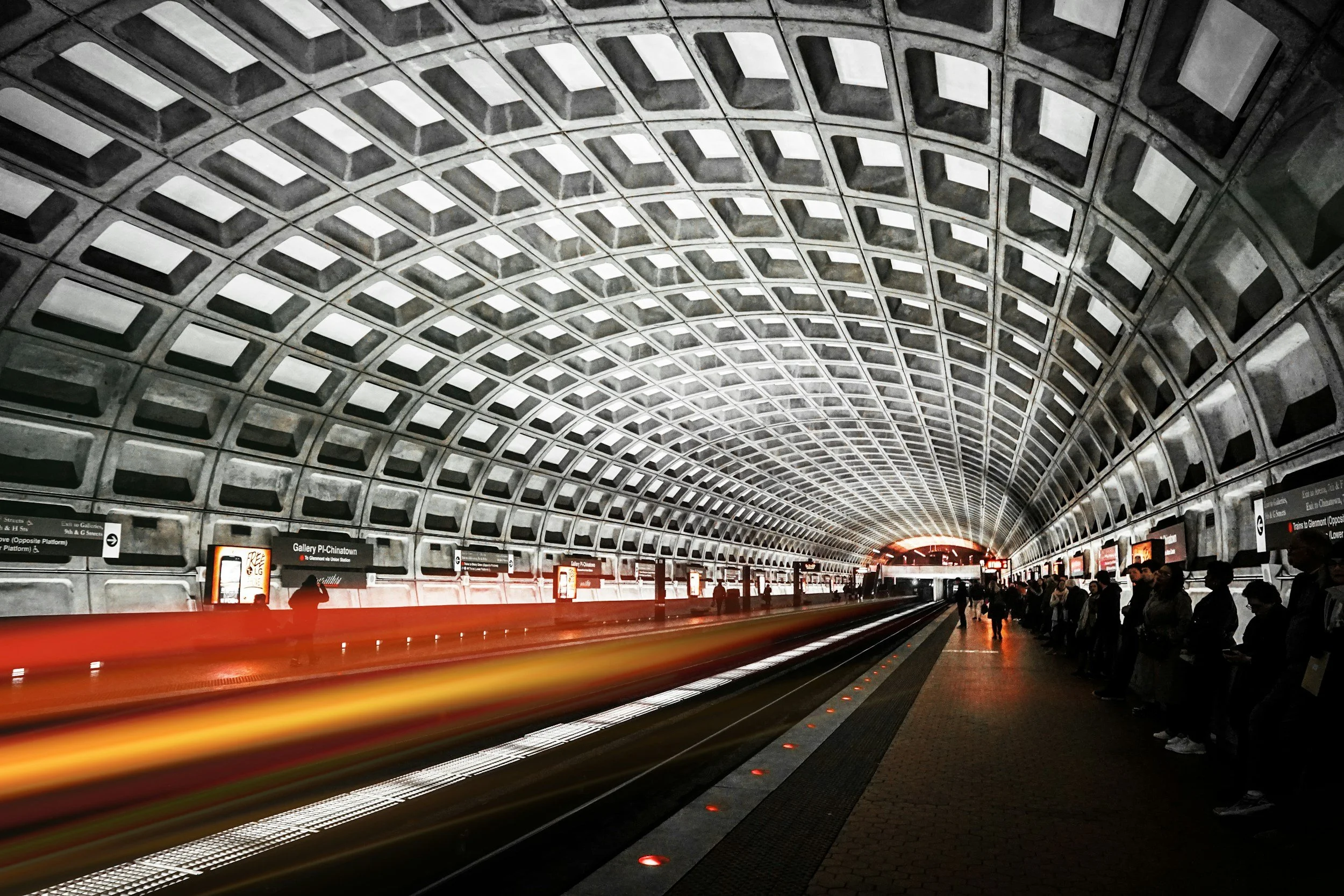
When I moved to Herndon, getting into DC meant getting in the car, full stop. My husband did that drive every day for years! That's no longer the only option. The Silver Line now stops directly in Herndon, and from that station, you can reach Metro Center in roughly 45 minutes, Rosslyn in about 35, and Foggy Bottom in around 40 minutes. For federal employees, contractors, and anyone working in the traditional downtown core, those numbers are genuinely competitive -- especially compared to sitting on the toll road watching brake lights.
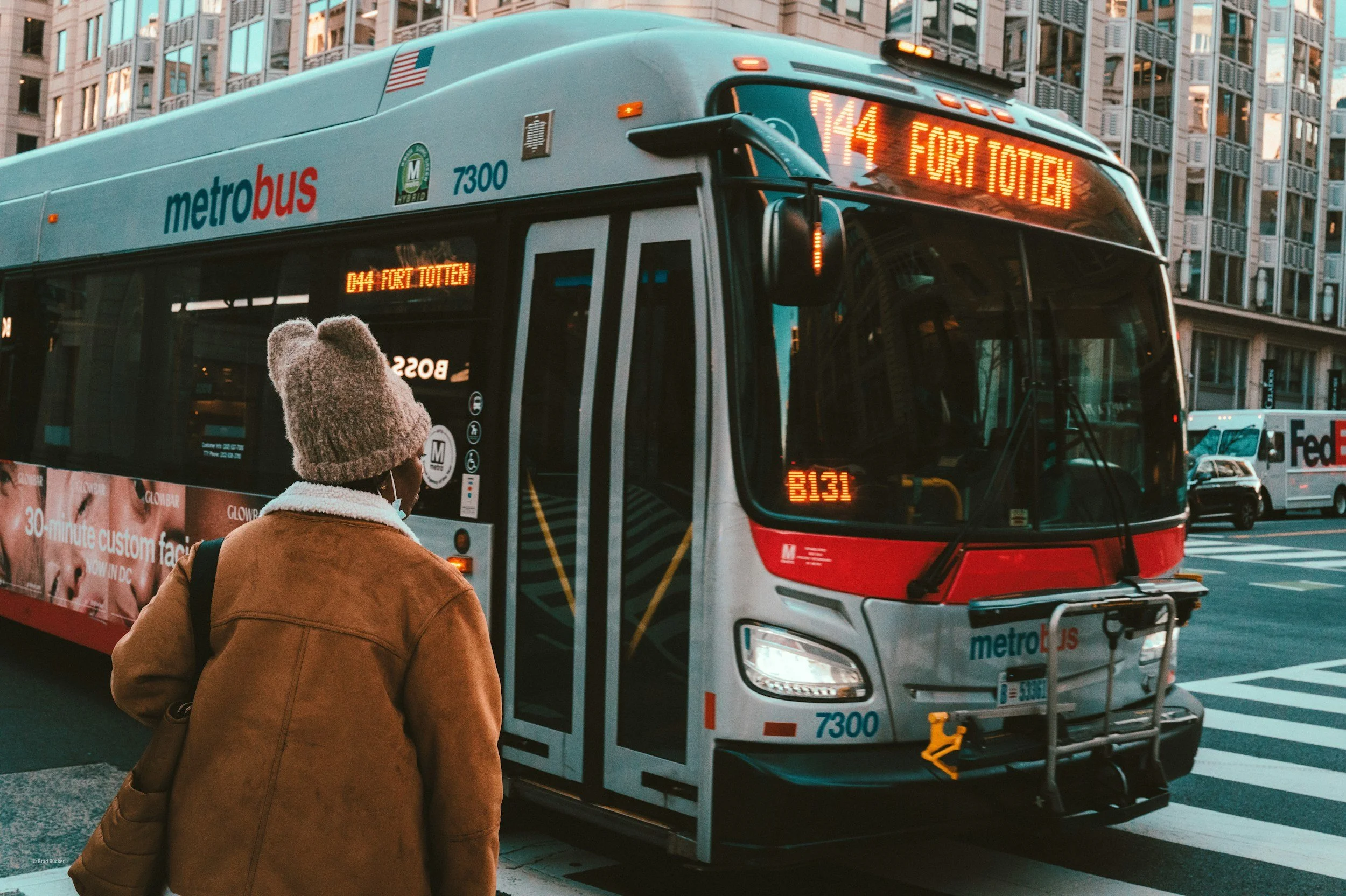
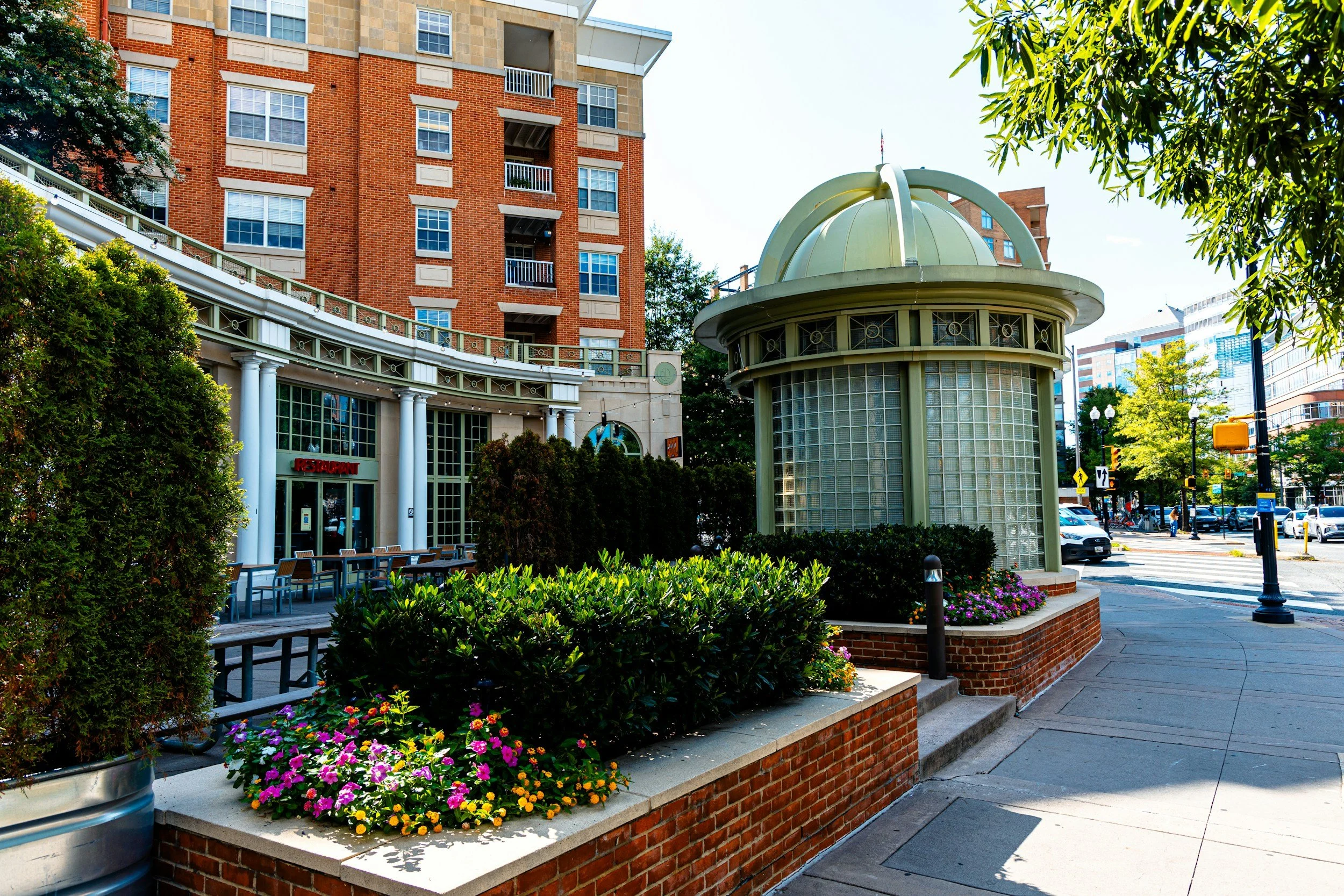
The Herndon Metro station has feeder bus connections and parking, and for commuters who live close enough to walk or bike to the station, the math becomes even better. Neighborhoods near the Dulles Toll Road corridor tend to have the most convenient access, and that's reflected in how buyers are shopping right now.
Driving: The Real Conversation
That said, many Herndon residents still drive. Route 267 (the Dulles Toll Road) gets you to Tysons in about 15 to 20 minutes on a normal morning and connects you to I-66 heading east into the city. Peak hour is peak hour -- I won't pretend otherwise. If you're crossing into DC proper by 8 am, you're looking at an hour or more without a toll bypass strategy.
Driving actually works well for jobs outside the traditional downtown core. The Dulles Technology Corridor, Reston, Tysons, and Arlington are all reasonable drives from Herndon. A lot of my clients who work for defense contractors, tech firms, or consulting companies along this corridor don't have a bad commute at all -- they're swimming upstream while everyone else is heading toward the city.
The Remote and Hybrid Reality
I'd be leaving out a big part of the picture if I didn't talk about this. For a meaningful segment of today's buyers, the daily commute to DC is simply not the right frame anymore. Three days in the office, two at home, changes the entire calculus. When you're only making that run two or three times a week, the tradeoff -- a bigger house, a real yard, a town with actual character -- starts looking like an obvious win.
Herndon has always offered that combination of space and accessibility. What's changed is that "accessibility" now includes a Metro station with direct service into DC, not just proximity to a highway. For hybrid workers in particular, this market makes a lot of sense.
What I Tell Buyers Considering Herndon
The commute question is really a lifestyle question in disguise. If you're commuting five days a week into downtown DC and every minute matters, I'll be straight with you -- Herndon is manageable but not effortless. You'll want to pick your neighborhood carefully based on Metro access, and you should test drive the actual morning run before you commit.
But if you work in the corridor, have a hybrid schedule, or are making a deliberate trade of some commute time for more house and a better daily quality of life, Herndon is one of the strongest value propositions in Northern Virginia. I've seen buyers come here skeptical about the commute and stay for twenty years. I'm one of them.
If you're thinking about making a move -- buying, selling, or investing -- let's talk. No pressure, just a real conversation about your options. 202-409-7513.
