
Why I Bought 5 Rental Properties Between 2020 and 2021 — And What I Know Now
Why I Bought 5 Rental Properties Between 2020 and 2021 — And What I Know Now
In the spring of 2020, while the rest of the world was trying to figure out what was happening, I was making some of the most consequential financial decisions of my life. I bought 4 short-term rental properties on the Outer Banks and 1 long-term rental in Jacksonville Beach, FL, over an 18-month period. And yes, I'd do it again — but not for the reasons you might think.
Here's the honest version of the story.
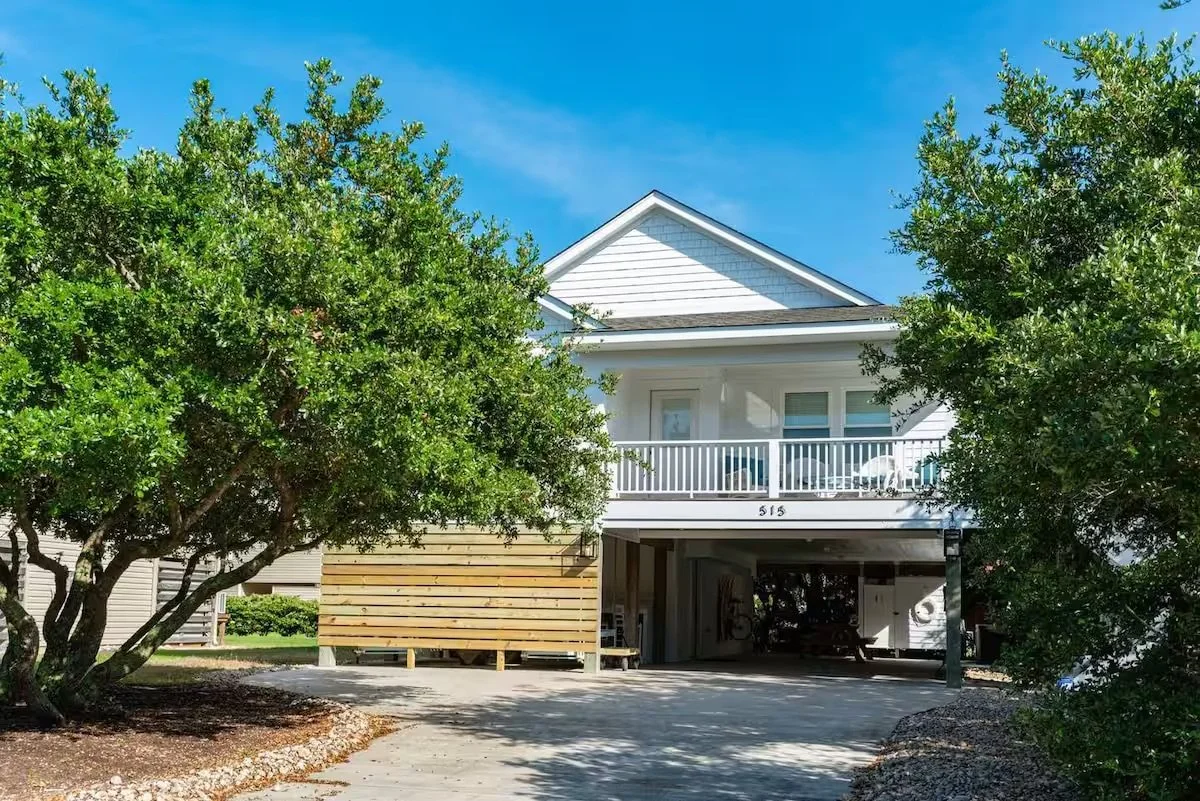
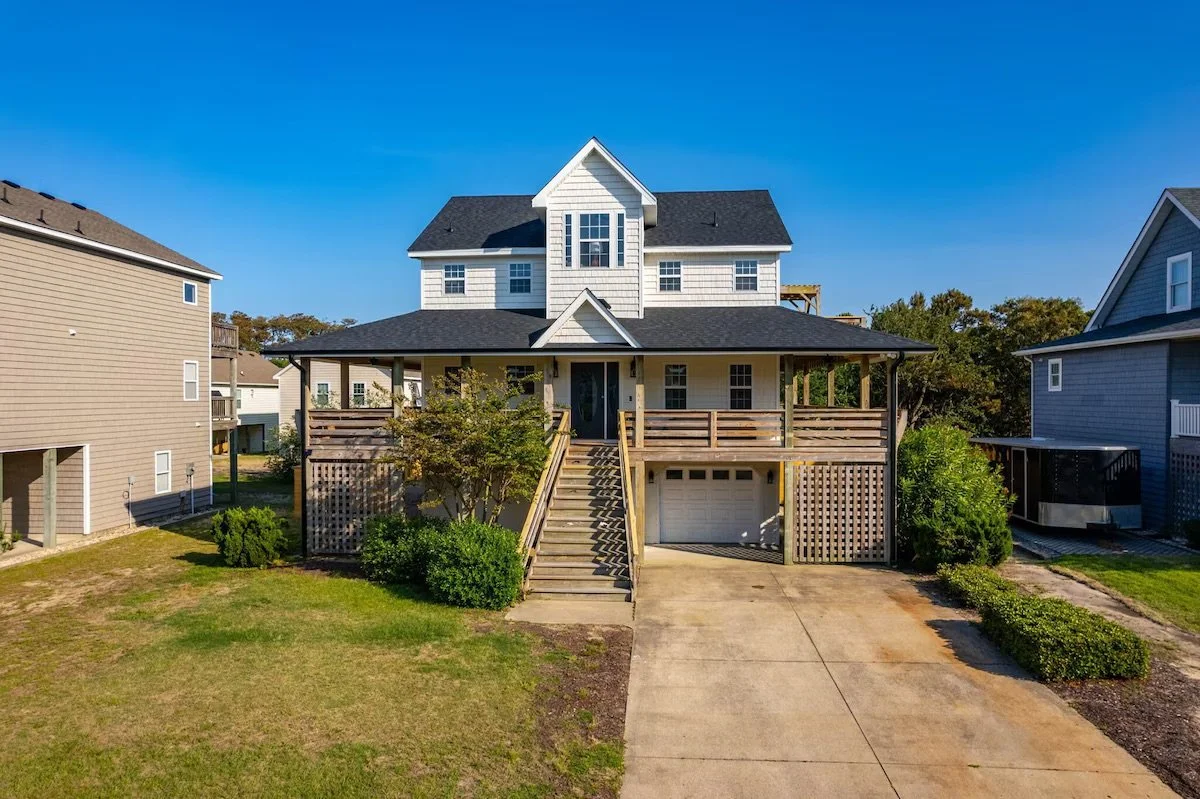
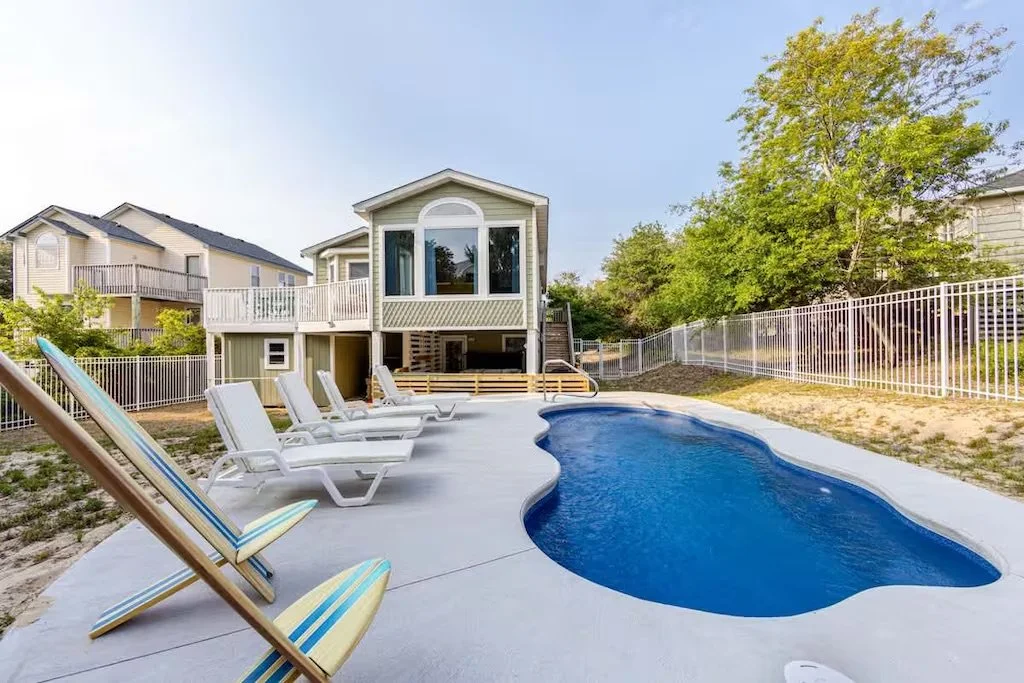
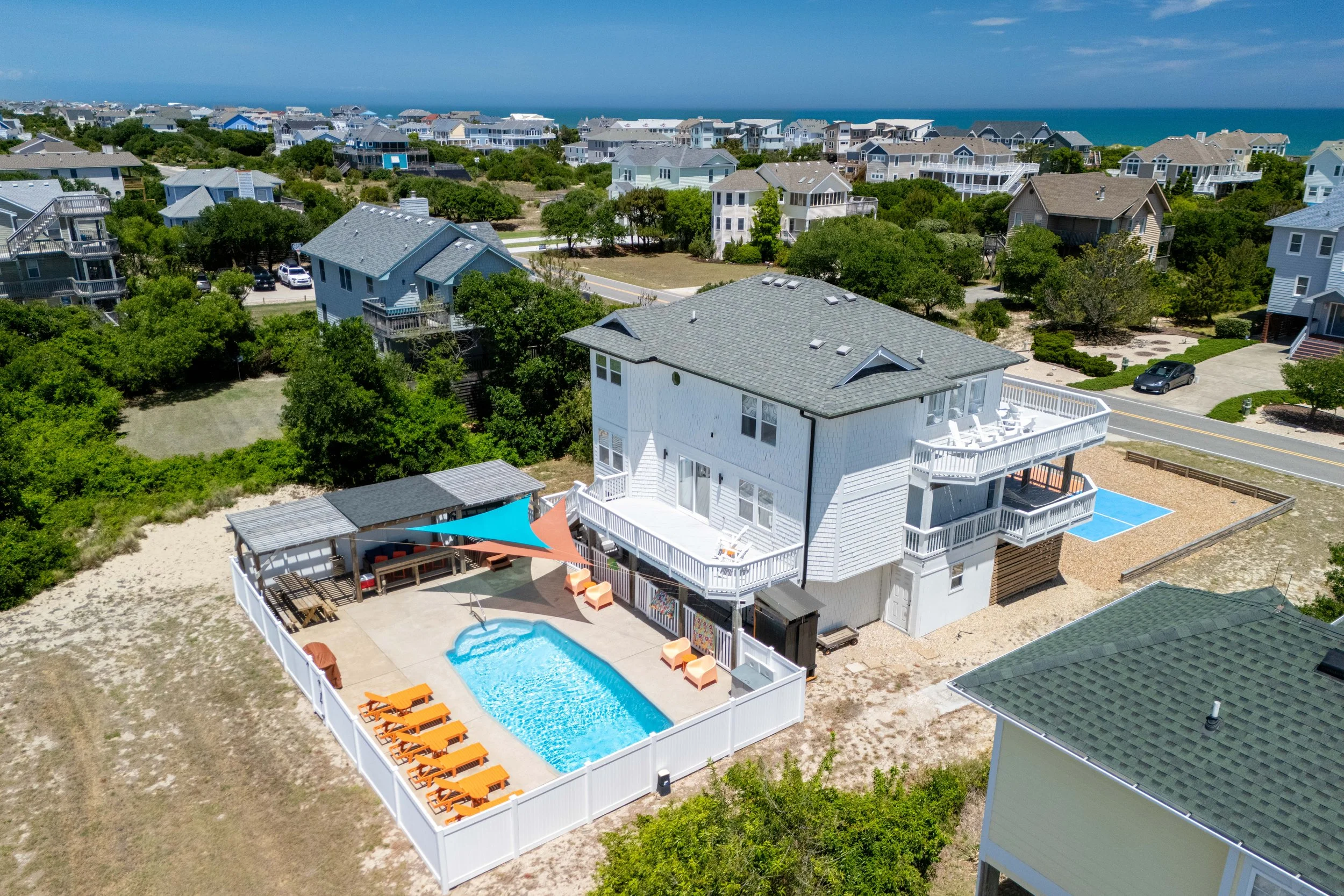
The Market Was Genuinely Unusual
When the pandemic hit, coastal vacation rentals did something unexpected: they saw demand explode. Families who couldn't fly to Europe or Disney were driving to the beach. The Outer Banks became one of the most sought-after vacation destinations in the country, and bookings were filling up months out. I was already interested in short-term rentals as a strategy — my background in real estate gave me a framework for evaluating the numbers — but the conditions in 2020 and 2021 made the opportunity feel urgent.
So I moved. Five properties in eighteen months, all purchased with different loan structures to fit our needs.
What I was seeing on the ground matched the data. US short-term rental demand was running at 15.8% growth in 2021 — numbers that look almost surreal compared to where the market sits today. Supply was still thin. Rates were climbing. For anyone who bought in that window and operated well, the returns were real.
What Nobody Tells You About the Operational Reality
Here's what the social media experts selling the "passive income" dream left out: this is a hospitality business, not a mailbox-money investment. From day one, I treated it that way. That made all the difference.
We built Salt Coast Hosts as a brand, not just a collection of listings. Every operational decision we made was filtered through one question: What does the guest experience look like at this step? Check-in instructions, linen quality, communication timing, and the way we handle a maintenance issue at 10 pm on a Saturday night. None of that is passive. All of it compounds.
A lot of people took the bait during the buying frenzy — purchasing homes in coastal markets with the assumption that tourists would cover their expenses — and nearly four years on, many who tried to manage properties themselves have learned it's not as easy as they thought. I watched that happen in real time around me. The people who bought because the numbers looked good on paper, and then handed everything off without a real operating system behind it, are the ones who are struggling now.
What the Market Looks Like in 2026
The short-term rental landscape has normalized significantly — and that's the right word for it: normalized, not collapsed. Available listings in the US are projected to reach 1.77 million in 2026, up from 1.69 million in 2025, while demand growth has moderated to around 4.1% year-over-year. More supply chasing more modestly growing demand means the easy wins are gone.
Occupancy is expected to remain flat or decline slightly in 2026 — not because demand is weak, but because supply is growing faster. Nightly rates are still increasing, but modestly, and revenue growth is now tied more closely to pricing strategy than occupancy alone.
What this means practically: the properties that are winning in 2026 are the ones that were built to win, not the ones that were carried by market conditions. Travelers in 2026 want more than a place to sleep — they want spaces and amenities that make them say, "I can't believe this is a rental." The cookie-cutter listing in a saturated market is fighting for scraps. The property, with a real brand, a great guest experience, and smart, dynamic pricing, is doing just fine.
That's what we built. In 2025, our brand (and management portfolio of 32 vacation homes) was acquired by Sojourn DC, and a new brand was created. Salt Coast by Sojourn remains a strong presence on the beach, and we are excited to see the growth. www.SaltCoastHosts.com
What I'd Tell Someone Considering This Today
The window of "buy almost anything on the OBX and make money" closed a few years ago. OBX inventory has surged 44 to 67 percent, depending on property type, and homes are taking longer to sell as the market transitions from a frenzied seller's market to more balanced conditions. That's actually good news for a serious buyer who's willing to be patient and selective. You can negotiate now. You can take time to evaluate. You can get into a well-priced asset if you know what you're looking for.
But you have to go in with eyes open. You have to underwrite conservatively, build operations that can handle lower occupancy than you saw in 2021, and be honest about whether you want to run a hospitality business or just own a beach house that pays for itself. Those are genuinely different things.
I bought five properties in one of the most chaotic market windows in modern real estate history. Not because I was fearless, but because I did the homework, built the systems, and treated it like a business from the first reservation. Six years in, Salt Coasts Hosts, now Salt Coast by Sojourn, is still the thing I'm most proud of building.
The market is harder now. The operators who are left are better for it.
If you're thinking about making a move — buying, selling, or investing — let's talk. No pressure, just a real conversation about your options. 202-409-7513.
Or if you own a home on the Outer Banks and are not getting the property care and service you need, let’s schedule a time to chat. We can help!
