
Airbnb vs Direct Booking in 2026: What Airbnb's New Rules Mean for Owners and Guests
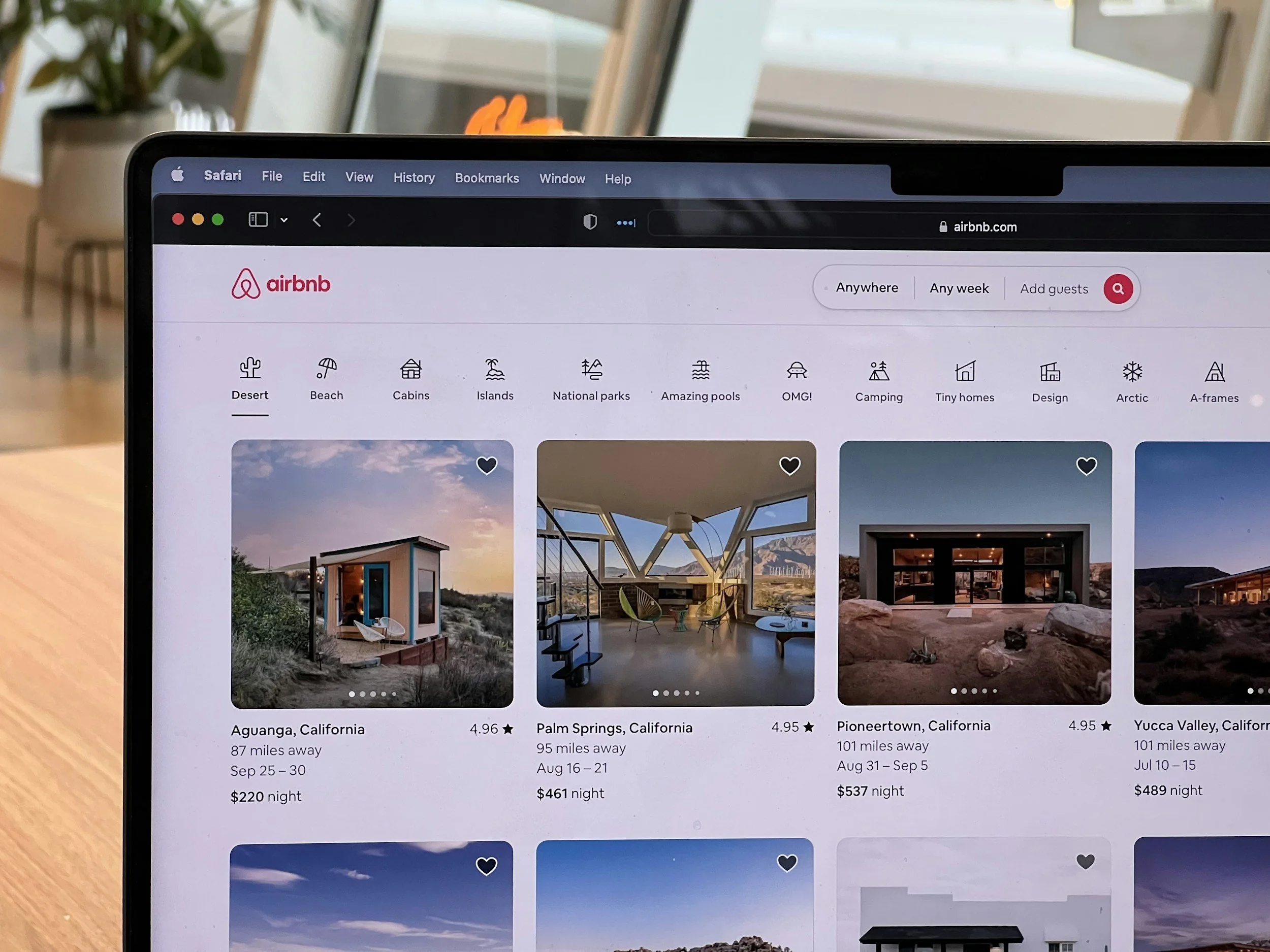
More than half of all vacation rental reservations in the country now go through Airbnb. KeyData's latest national report, which tracked short-term rental performance through the second quarter of 2026, found that. Airbnb's share of reservations climbed to 51%, up from 47% a year earlier, and its share of revenue jumped from 36% to 43%. In that same stretch, Airbnb has rewritten a lot of the rules owners and guests signed up for. If you own a vacation rental, or you're thinking about buying one, the Airbnb vs. direct booking question deserves a fresh look.
I personally own four homes on the Outer Banks, so this isn't abstract for me. Every policy change shows up in my calendar, my payouts, and my guest messages.
The headline is that Airbnb keeps growing, but the detail underneath matters more. Direct bookings made up 21% of reservations in Q2 but 29% of revenue. KeyData notes that direct guests typically stay longer, pay higher rates, and book further ahead. The catch is that direct bookings are shrinking. A year ago they were 25% of reservations and 36% of revenue. Owners are becoming more dependent on the platforms every quarter.
The case for Airbnb
I want to be fair here, because Airbnb does plenty well. It has the biggest audience of travelers in the business, and for a new listing without a following, that visibility is hard to replace. Guests have to verify their identity to book. AirCover still covers host damage losses up to $3 million per stay. And flexible payment options can bring in groups and budget-conscious families who might hesitate at a big charge upfront.
For many owners, Airbnb is still the front door. I'm not telling anyone to walk away.
What changed this year, and why owners should pay attention
The biggest shift landed on September 15, when Airbnb moved U.S. hosts to a single service fee. Under the old split structure, hosts paid around 3%, while guests paid their own fee at checkout. Now most hosts pay 15.5% directly from their payout. If you didn't adjust your pricing, your take-home just dropped.
Reserve Now, Pay Later lets eligible guests book with nothing due upfront and pay closer to arrival. It applies to listings with Flexible or Moderate cancellation policies, and there's no switch to disable it. If a guest's scheduled payment fails and they don't fix it in time, the reservation can be canceled close to check-in. That's a week you were counting on, sitting empty right when it's hardest to refill.
Since March 9, Airbnb shares your exact address, your phone number, and your arrival guide the moment a reservation is confirmed, even during the free cancellation window. The setting that let hosts hold that information back is gone.
The Strict cancellation policy is now invitation-only, so Firm is the strictest option most hosts can choose. And the April terms update gave Airbnb explicit room to withhold or deny payouts based on its own internal policies, while tightening the evidence rules for damage claims.
None of these alone is a crisis. Together, they shift more control from the owner to the platform.
Why guests feel it too
It's easy to assume these changes only affect owners, but renters pay for them too. When hosts absorb a bigger fee, many raise their nightly rates to make up the difference. When Airbnb moved an earlier group of hosts to the single fee, AirDNA found that about 30% raised prices enough to cover it completely, and another 30% covered part of it. That adds to nightly rates that were already up 6 to 7% nationally in the second quarter.
Pay-later bookings create problems for guests, too. A family whose card fails can lose their trip close to arrival, and dates held by bookings that never get paid are dates another family couldn't reserve. And when something goes wrong mid-stay, a guest who booked through a platform is often working through a support queue instead of talking to the local person who actually knows the house.
That last point is the heart of it for me. A vacation rental is someone's home, and a good stay depends on the people behind it. The more the platform stands between owner and guest, the harder that relationship is to build.
Getting the balance right
The Airbnb vs direct booking decision isn't an either-or choice. The smartest owners I know use Airbnb to get found and build their own direct channel to get remembered: a real booking website, a strong reputation, and a guest experience good enough that families look for you by name next year. KeyData's advice to property managers lands in the same place: marketplace visibility paired with real investment in guest relationships that turn repeat visitors into direct bookings.
If you're weighing Airbnb vs direct booking for your own property, start by looking at where your last twelve months of revenue actually came from. That number usually tells you more than any headline.
Airbnb will keep changing its rules because it's their platform. The part you control is how much of your business depends on it.
About LeAnne Anies
LeAnne Anies is Broker in Charge at Salt Coast by Sojourn, a boutique property management company on the Outer Banks. She personally owns four homes on the OBX and is happy to answer any questions about buying on the Outer Banks or about management services. Reach her at 202-409-7513.
Source: KeyData U.S. Key Data Index, Q2 2026 results. Airbnb policy details from Airbnb's published terms and help center, CNBC, and industry reporting as of September 2026.
